 par
par ARCHIVES : Articles by Marie-Agnès Bruneau Published in the International Press
Published in Realscreen, June 26, 2026
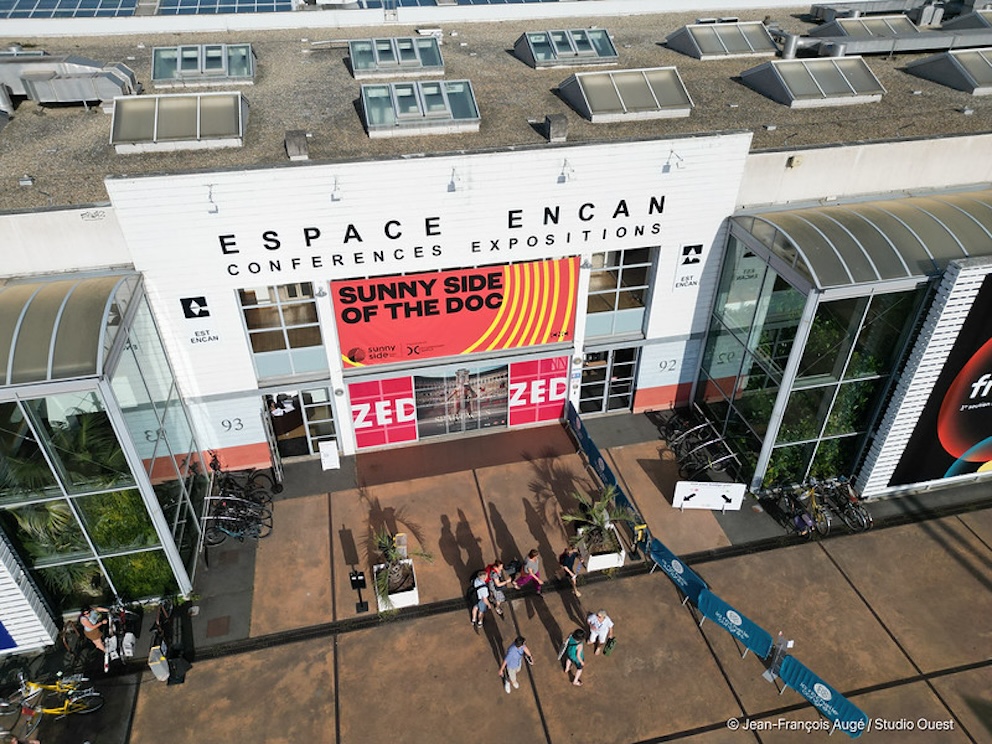
The 37th — and likely final — edition of international documentary conference and market Sunny Side of the Doc in La Rochelle was marked by a major heatwave and much activity on the exhibition floor, with international coproductions once more taking center stage.
Despite a short, five-month preparation window for an event that was nearly cancelled, 1,500 people attended (compared to the usual 2,000) from 55 countries, featuring a good number of high-level international executives. PBS, for instance, had a very strong presence.
Even though it was a busy event, the general consensus from those on the ground is that market conditions remain tough. In times of digital shift and economic uncertainty, distributors on hand say they’re increasingly contending with fluctuating buyers’ budgets and suddenly cancelled slots. And paradoxically, while scarcer funding makes international coproductions more important than ever, producers report they are also harder to achieve.
“Everybody faces budget cuts; there is fewer of everything, and as a result, fewer international coproductions too,” notes Caroline Béhar, head of international copros and acquisitions at France Télévisions. “But on the other hand, we need ambitious shows, so they remain more necessary than ever.”
Public broadcasters reinventing themselves
Public broadcasters, the main supporters of documentaries, face budget cuts and political pressure globally, with perhaps the most visible example being the Trump administration’s cancellation of PBS funding last year.
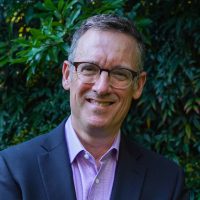
Speaking at Sunny Side, PBS VP of programming and development Geoff Daniels (pictured left) said there was a bright side to the situation, noting the incredible response from individual viewers and foundations that stepped in via sustained donations that provided a more stable base to move forward. “We might have a little less, but it’s more than you think,” he said.
To further meet the challenges, PBS has become more entrepreneurial and proactive with its commercial arm, PBS Distribution. “When you lose part of your budget, you have to become more strategic,” Daniels commented.
Beyond funding, the other key concern is maintaining relevancy (and audience) in the streaming era. To reach digital audiences, public broadcasters are shifting strategies, making distribution deals with major platforms to extend reach and experimenting with their YouTube presences.
France Télévisions is one of several pubcasters implementing a “streaming-first” model. Antonio Grigolini, now head of knowledge for FTV, says his department is prioritizing subjects that are essential for understanding a changing world, and those projects necessary for France TV to stand out in the digital space. In sync with viewing habits for france.tv, Grigolini wants more docuseries. As for author-driven documentaries, he says France TV wants to continue to support them, but that they require specific digital positioning that is still being explored. In terms of acquisitions, this shift means the public broadcaster will aim to be more reactive to the news, introducing relevant documentaries that align with the audience’s current focus.
All of this has to be achieved with less money for programming for the year, as France TV is also facing budget cuts this year, and there is uncertainty for the next.
The screen content business’s digital transition brings new hurdles. Broadcasters now demand more rights for the same price, and hyperdistribution — taking content across platforms — is threatening second-window sales, some French producers said. Arte now requires additional language versions for its European platform, which may also impact international coproductions. Discussions are underway with producers to find a solution, said Arte France editorial director Boris Razon.
AI: approach with caution
France TV is also looking to capitalize on its established brand Apocalypse, which featured restored and colorized archive material from the World Wars, by relaunching the franchise with Apocalypse: Civilization, but moving away from its archival DNA to include AI.
The tech is starting to be used more frequently in factual, particularly in ancient history documentaries. However, public broadcasters remain cautious. “Authenticity is a huge thing. Just because you can use AI does not mean you should,” warned PBS’s Daniels, emphasizing that it should not become a gimmick or be used when real pictures and footage would have told the story better.
Furthermore, it may not be suited for every genre. “On YouTube, the audience of our wildlife channel is allergic to AI,” said Susanne Lummer, head of specialist factual at Terra Mater Studios, during a session about the doc industry’s adoption of the technology (pictured). As a result, Terra Mater has developed an “AI-free” seal for its programming. “We think the real world is important and we need to maintain the trust of our audience,” she said, prompting applause from delegates in attendance.
The cloudy side of the doc
Faced with its own funding crisis, Sunny Side itself was nearly cancelled this year. However, the industry mobilized, with prominent support from France’s National Center for Cinema (CNC) and French producers, and the event was revamped as a tighter but still efficient three-day version. Germany’s Documentary Campus assisted on the production front.
However, on Monday, CNC announced that in 2027 the city of Strasbourg will host a new major international documentary market which will effectively take over from Sunny Side. This new iteration will benefit from improved regional backing (the town of Strasbourg, the Grand Est region and Eurométropole de Strasbourg) according to CNC, and will be organized by a new entity featuring as-yet-unnamed partners representing the documentary industry. Realscreen understands associations of French producers are involved.
“After a 37-year fight for documentaries, it is time for the market to be placed in the hands of the industry itself. This is an event of collective interest,” commented Roman Jeanneau, president of Sunny Side organizers Doc Services, in its event wrap-up press release. “I would like to pay special tribute to the two founders, now deceased, Olivier Masson and Yves Jeanneau, who had the vision to create this unique market. Their intuition, their boldness and their commitment have left a lasting mark that continues to guide us today.”
It is not yet known if the new organizers will be looking to buy Sunny Side of the Doc’s brand and/or its assets, and hire some of the team.
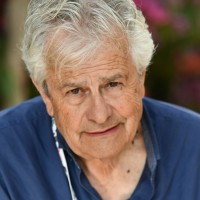
Sunny Side originated in Marseilles, and provided a much-needed meeting place for the then-burgeoning international documentary industry. The La Rochelle years amplified that, and brought a wider global community —ranging from Latin American producers and buyers to their Asian counterpoints and many points between — into the mix. Yves Jeanneau (pictured right) was one of the most vocal champions for international coproduction and through Sunny Side, helped propel such collaboration to where it is now.
The documentary medium is now ready for a new journey, which, as seen via Sunny Side itself, includes its share of changes and uncertainties.
(Photo: Sunny Side of the Doc)

Sunny Side ’26: CNC-backed doc event in Strasbourg to succeed Sunny Side in 2027
June 22, 2026
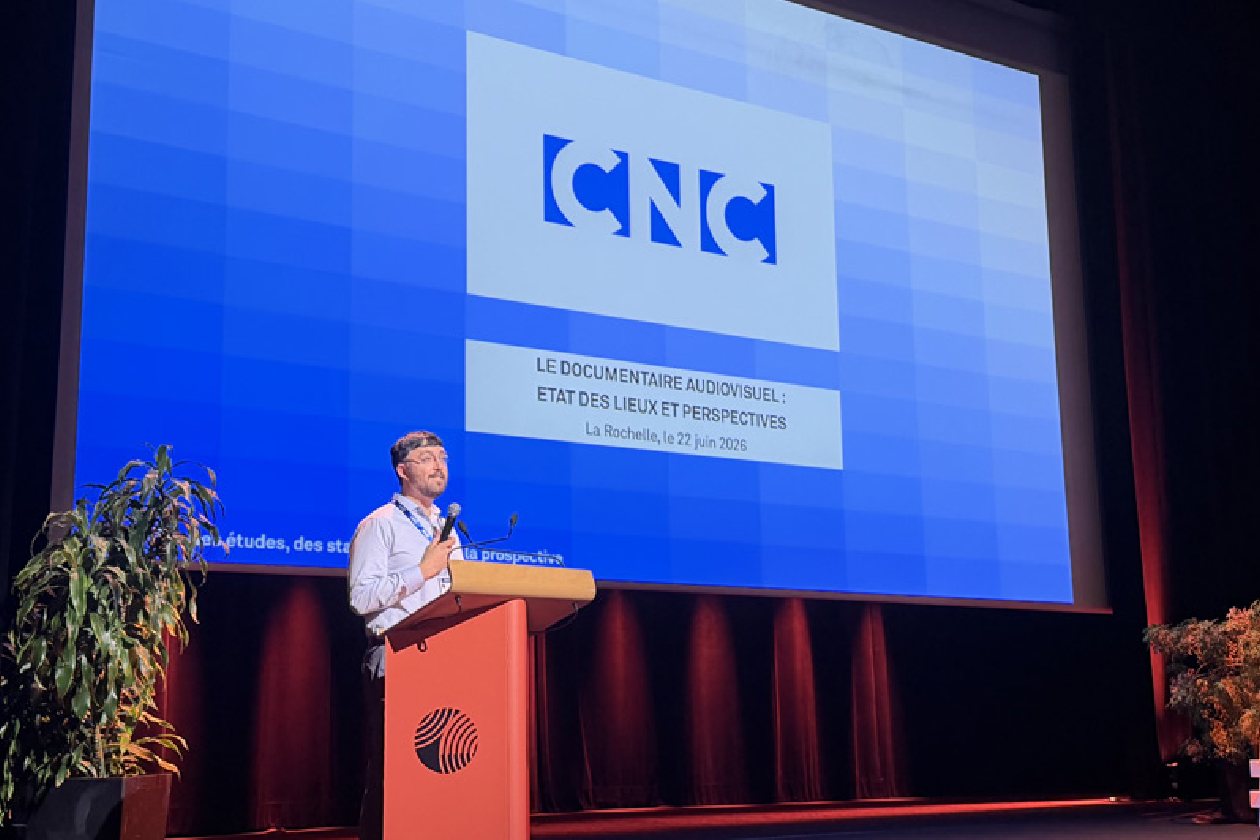
French funding body the CNC (National Center for Cinema and the Moving Image) has announced on the opening day of Sunny Side of the Doc that a new documentary market based in Strasbourg will take over from the event in 2027.
The news was unveiled by Gaëtan Bruel (pictured), CNC president, during his opening remarks on Monday (June 22). The new event has received support from the Strasbourg Eurométropole, the city itself, and the Grand Est Region.
“Strasbourg is key to Europe and is already home to a number of institutions,” he said. “But it is not just a symbol; they expressed a great interest in hosting a documentary market and agreed to the CNC’s proposal,” he added. “They fully understand what documentary filmmaking represents.”
A press release sent by the CNC shortly after revealed that an association will be established by French professional documentary organizations to run the new event.
According to the release, the market will have a “revamped format [that] will include a major European component.”
The CNC release also highlights other advantages for Strasbourg as a location for an international doc market, including proximity to Arte, the Council of Europe, Eurimages, the European Audiovisual Observatory and the European Parliament.
Longtime organizers of Sunny Side of the Doc, Doc Services, are not involved in the move.
In speaking with Realscreen, Doc Services president Roman Jeanneau said that in their discussions, the CNC did not want to maintain its current level of financial support and was looking for stronger partners to help consolidate the event. Strasbourg and its region ultimately offered more support than La Rochelle, he said.
Jeanneau said that Doc Services will cease operations. It is not clear yet if the new organizers will be interested in buying the Sunny Side brand. “For me, this is the last Sunny Side of the Doc,” Jeanneau added.
As first reported by Realscreen in January, the CNC was among the partners that saved Sunny Side of the Doc from cancellation this year. Germany’s Documentary Campus, which also helps produce the World Congress of Science and Factual Producers, came on board for Sunny Side this year to help mount a “scaled-down” version of the event. Realscreen has reached out to Documentary Campus for comment and to find out if it will be involved in next year’s conference in Strasbourg.
Sunny Side of the Doc was co-created in 1990 by Roman’s father, Yves Jeanneau, and Olivier Masson. The event was held initially in Marseille, before moving to La Rochelle for the past 20 years.
The 2026 edition of Sunny Side of the Doc continues until June 24.